
Understanding the psychological impacts of gambling behavior
The Nature of Gambling Addiction
Gambling addiction is a complex psychological condition that affects individuals from all walks of life. It often begins as a harmless pastime but can evolve into a compulsive behavior that disrupts personal, social, and financial stability. Many who gamble may believe they can control their behavior, but psychological studies show that the allure of gambling can create patterns of dependency, leading to a cycle of chasing losses and escalating risk-taking. In fact, platforms that highlight the best australian online casinos can serve as a reminder of the tempting yet precarious nature of gambling.
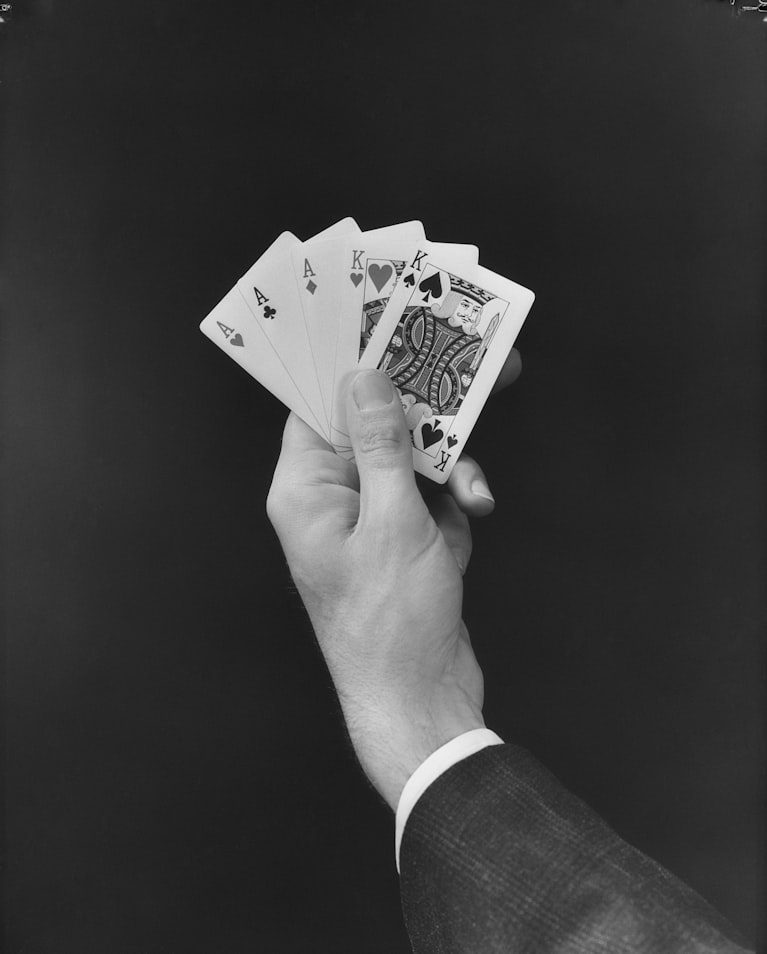
This addiction often stems from various psychological factors, including impulsivity, thrill-seeking, and the desire for financial gain. The excitement of winning can trigger a release of dopamine in the brain, reinforcing the behavior and making it hard for individuals to stop. Understanding these motivations is crucial for identifying and addressing gambling addiction effectively.
Common Myths Surrounding Gambling
Myths about gambling can perpetuate harmful behaviors and misconceptions. One prevalent myth is that winning is purely based on luck, which can undermine the understanding of the odds and probabilities involved in gambling. This misconception can lead players to believe they are on a winning streak, encouraging them to gamble more in hopes of recapturing their losses.
Another myth is the belief that one can develop strategies to consistently beat the odds. While certain games involve skill and strategy, many forms of gambling are ultimately games of chance. Recognizing these myths is essential for fostering responsible gambling practices and ensuring individuals are aware of the realities behind their behaviors.
The Emotional Toll of Gambling
The emotional impact of gambling behavior is significant and can vary widely among individuals. Many gamblers experience feelings of euphoria when winning, but this is often followed by guilt, anxiety, and depression during losing streaks. These emotional highs and lows can lead to a turbulent cycle, where individuals may gamble more to escape negative emotions, further entrenching their addiction.
Moreover, the social consequences of gambling can be profound. Relationships with family and friends may suffer as individuals prioritize gambling over personal connections. The emotional isolation that often accompanies gambling can lead to worsening mental health issues, creating a need for effective support systems and interventions.
Recognizing Signs of Problem Gambling
Recognizing the signs of problem gambling is crucial for intervention and recovery. Symptoms can include preoccupation with gambling, lying about gambling habits, and using gambling as a means to escape other problems. These indicators can vary from one individual to another, making it essential to approach the topic with sensitivity and awareness.
For many, admitting to a gambling problem can be challenging. Support from loved ones and professionals is vital for those struggling. Early recognition of these signs can lead to timely assistance, which is critical in mitigating the psychological impacts of gambling and facilitating a path towards recovery.

Your Resource for Responsible Gambling
Understanding the psychological impacts of gambling behavior is essential for promoting responsible gaming. Websites that provide insights into gambling addiction, strategies for moderation, and support resources are invaluable for both players and their families. These platforms offer essential information and community support, helping individuals navigate the complexities of gambling.
Whether you are seeking to understand your own behavior or that of someone close to you, utilizing reliable online resources can empower you to make informed decisions. Prioritizing safety and mental well-being in gambling practices is critical to fostering a healthier relationship with this activity.
Submit a CommentPlease be polite. We appreciate that.